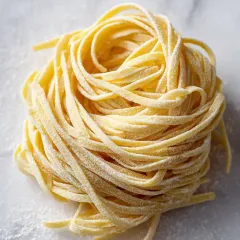

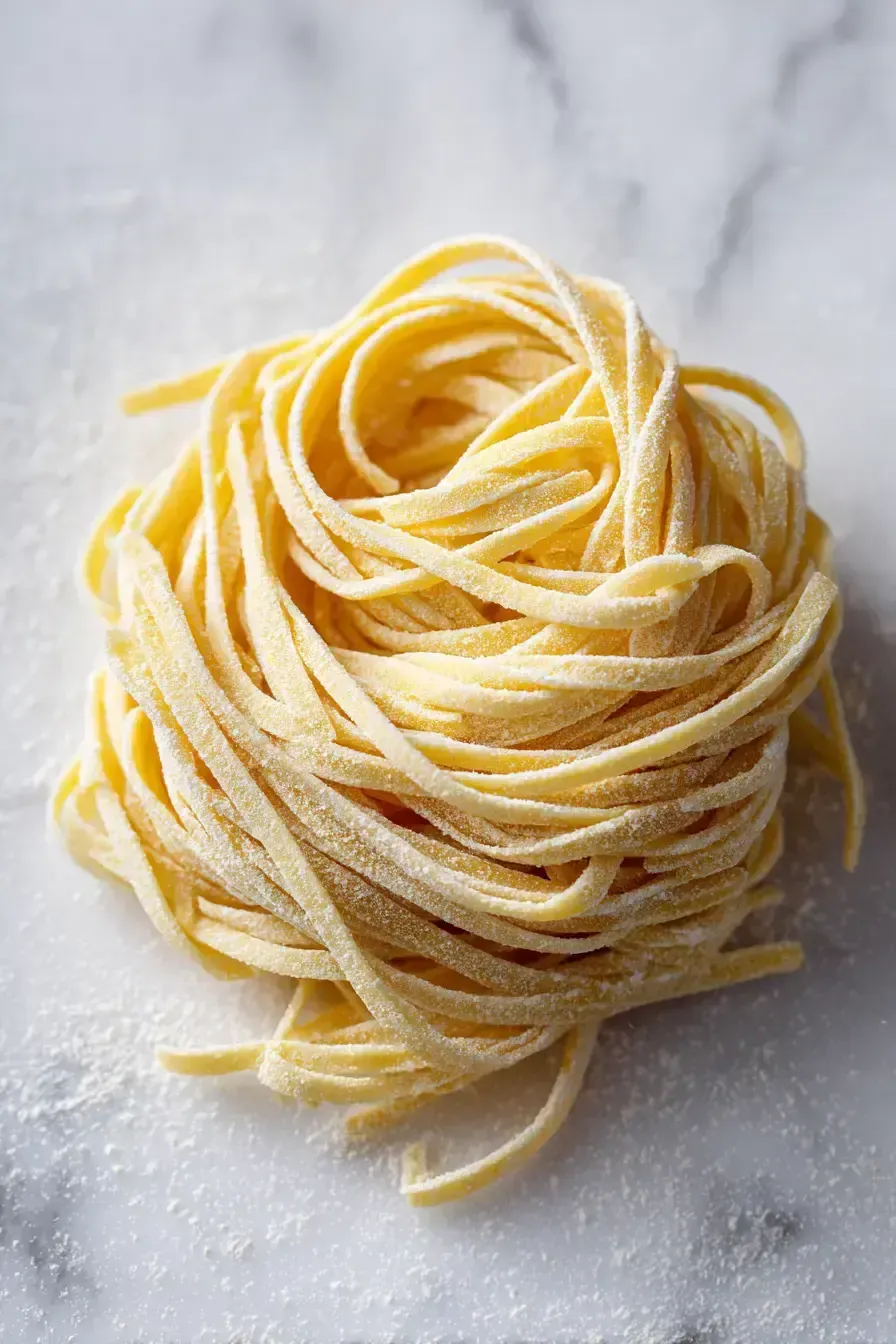
Making Homemade Pasta is a comforting kitchen ritual that connects us to tradition while fitting perfectly into modern life. This guide honors the soul of classic Homemade Pasta but updates the method for today’s cook, promising that cozy, feel-good result we all crave. Let’s create a hug-in-a-bowl together. If you enjoy working with dough, the charcoal pizza method is another hands-on project.
Why This Pasta Feels Like Home 🥘
- Fresh Pasta Dough Simplicity – You only need a few simple ingredients for a dough that’s far superior to store-bought.
- Soul-Preserving Technique – The hands-on process of kneading and rolling is a wonderfully calming kitchen activity.
- Modern Time Saver – With a total time of just 53 minutes, this from scratch pasta is surprisingly achievable for a weeknight.
- Cozy, Customizable Result – You control the thickness and cut, creating the perfect handmade noodles for your favorite sauce.
Navigation
- Your Cozy Pasta-Making Timeline
- Thoughtful Tips for Special Diets
- My Pro Tips for Perfect Homemade Pasta
- Nutrition and Health Benefits
- A Lighter Version of Homemade Pasta
- How to Serve Your Homemade Pasta Creation
- Common Homemade Pasta Mistakes (So You Avoid Them)
- How to Store Your Homemade Pasta
- More Cozy Pasta Dinners You’ll Adore
- Frequently Asked Questions
Gathering Your Homemade Pasta Ingredients
For the Pasta Dough
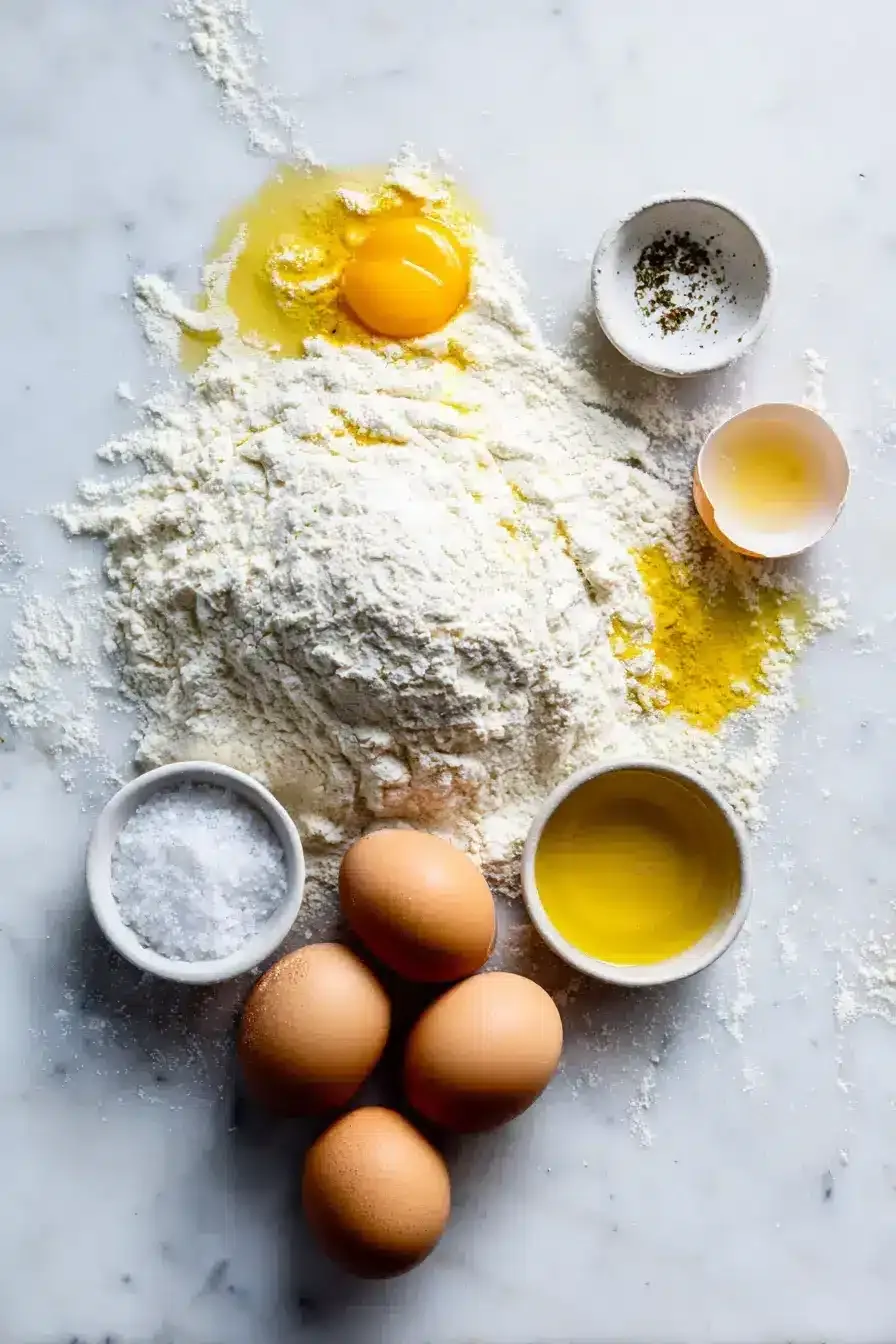
- 2 cups all-purpose flour – The main structure for your fresh pasta dough, providing the perfect chew.
- 3 large eggs at room temperature – Binds everything together and adds richness to the handmade noodles.
- 1/2 teaspoon kosher salt – Enhances flavor throughout the dough, a small but essential touch.
- 1 tablespoon olive oil – Makes the dough more pliable and prevents sticking during the pasta flour technique.
Your Cozy Pasta-Making Timeline
I know the idea of making Italian pasta from scratch can seem like a weekend project, but I promise the timeline is more friendly than you think. The active prep time is about 50 minutes, which includes that wonderfully therapeutic kneading process.
The actual cook time for these fresh noodles is incredibly short—just 2-3 minutes in boiling water. That brings your total time to a cozy 53 minutes, perfect for a slower weeknight dinner where you can truly enjoy the ritual. Compared to many baked pasta dishes, this is a relatively quick hands-on experience with a massive flavor payoff.
Thoughtful Tips for Special Diets
For those who are sugar-conscious or managing dietary needs like a low glycemic index, this Homemade Pasta recipe is a fantastic blank canvas. Since the base recipe contains no added sugar, it’s naturally a great option for a diabetic-friendly meal when paired with the right sauces and toppings.
You can make this recipe even more glucose-friendly by opting for whole grain flour, which adds fiber and can help with glycemic control. Portion size is also key; a sensible serving of this from scratch pasta alongside a generous portion of non-starchy vegetables creates a balanced, blood sugar friendly plate.
My Pro Tips for Perfect Homemade Pasta
After making countless batches of fresh pasta dough, I’ve learned a few secrets that make all the difference. These tips will help you achieve that perfect, restaurant-quality texture right in your own kitchen.
- Flavor Swap: For an extra rich flavor, substitute one whole egg with an additional egg yolk. This creates a more luxurious dough, perfect for a special occasion.
- Diet Tweak: To make a vegan version, you can try a flax egg substitute, though the texture will be slightly different. For a heartier noodle, check out my vegan chickpea pasta which uses a legume-based flour.
- Texture Fix: The most common mistake is not kneading the dough long enough. You’re looking for a smooth, elastic ball that springs back slowly when poked. This is the secret to perfect handmade noodles.
- Storage Tip: If you aren’t cooking all your pasta immediately, toss the cut noodles generously with flour and freeze them in a single layer on a baking sheet before bagging. They cook directly from frozen, adding just a minute to the cook time. This technique also works great for vegetable-based pasta alternatives.
Nutrition and Health Benefits
This Homemade Pasta offers a cleaner ingredient profile than most dried boxed varieties. By controlling what goes into your fresh pasta dough, you avoid preservatives and unnecessary additives. The eggs provide a good source of high-quality protein and essential nutrients like choline.
When compared to a creamy pasta dish, this base recipe is lower in fat and calories, allowing you to build a meal around your nutritional goals. The addition of vegetable-based sauces can significantly boost the fiber and vitamin content. For more detailed nutritional information on whole foods cooking, resources like the Harvard T.H. Chan School of Public Health offer great guidance.
A Lighter Version of Homemade Pasta
If you’re looking to lighten up this classic, there are a few simple tweaks. You can incorporate up to 50% whole wheat flour for added fiber, which creates a denser, heartier noodle. For a protein boost, you might enjoy a broccoli-based pasta dish as an alternative.
When saucing, opt for tomato-based or olive oil-based sauces rather than heavy cream sauces to keep the meal feeling fresh and light. Remember, the beauty of making pasta from scratch is that you have complete control over the final dish.
How to Serve Your Homemade Pasta Creation
I love the memory of serving a big platter of these handmade noodles to my family for the first time. The pride of presenting something made completely from scratch is a feeling like no other. For serving, a large, shallow bowl is perfect for twirling.
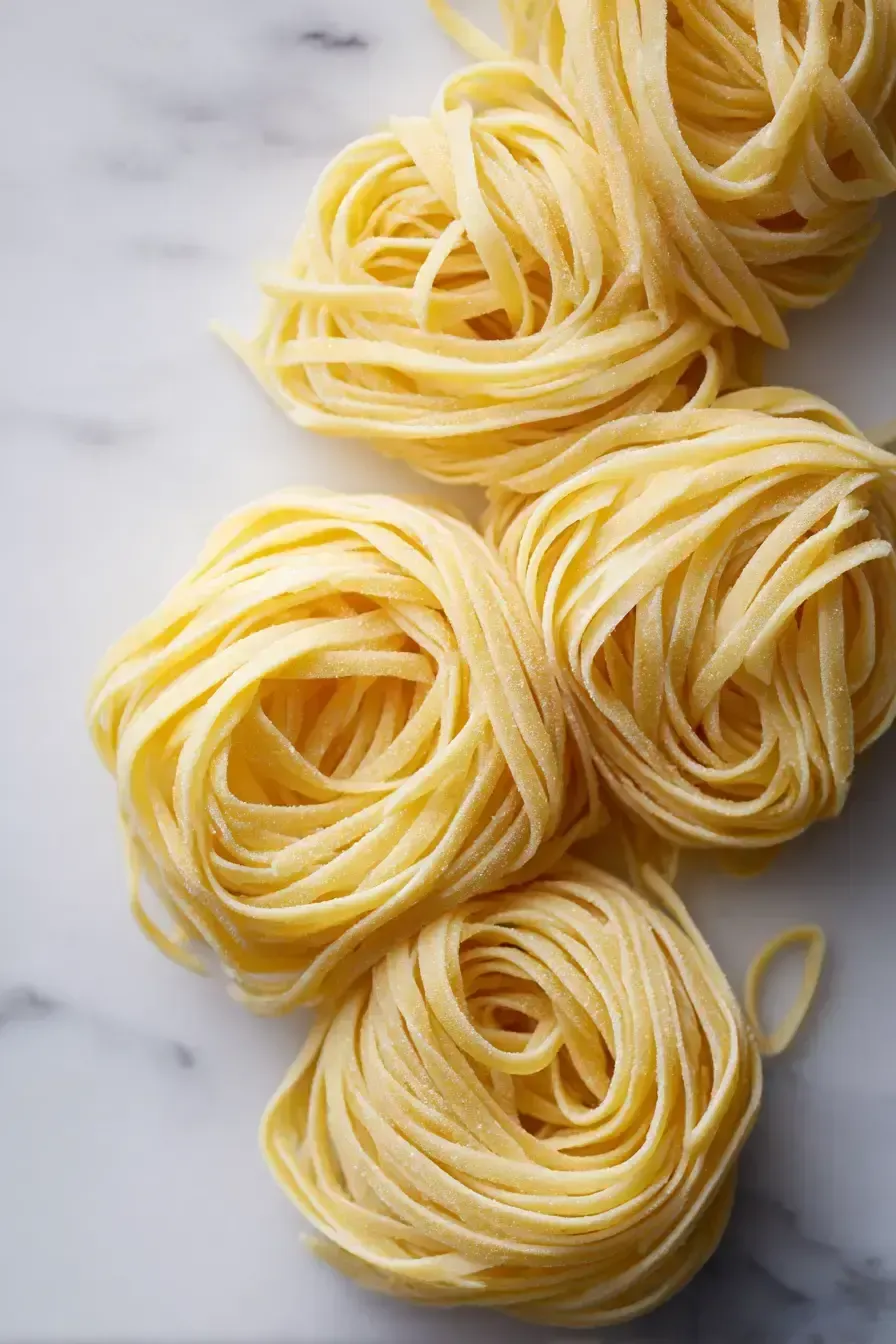
Pair your Homemade Pasta with a simple side salad dressed with a bright vinaigrette to cut through the richness. It pairs wonderfully with a fresh pesto or a simple garlic and olive oil sauce. The goal is to let the quality of the noodle itself shine.
Common Homemade Pasta Mistakes (So You Avoid Them)
Even with a simple recipe, a few missteps can happen. Here’s how to steer clear of the most common pitfalls and ensure your Italian pasta is perfect every time.
- Mistake: Dough is too dry or crumbly. This often means the flour-to-egg ratio was off. Eggs vary in size, so add the flour gradually. If the dough won’t come together, add water a teaspoon at a time until it does.
- Mistake: Pasta is tough after cooking. This is usually due to over-kneading or not letting the dough rest. The 30-minute rest is non-negotiable; it relaxes the gluten. Avoid this same issue in dishes like a baked mac and cheese by not overworking the sauce.
- Mistake: Noodles stick together during cutting. Always dust your rolled-out sheet and cut noodles liberally with flour. After cutting, toss them thoroughly to separate. This pasta flour technique is key. For more structured pasta, orzo has different handling.
- Mistake: Overcooking the fresh pasta. Remember, fresh pasta cooks in 2-3 minutes, not 8-10 like dried. Taste it early and often. For reliable cooking times, reference guides from trusted sources like Bon Appétit.
I’ve made every one of these mistakes myself, so learn from my experience! The journey to perfect Homemade Pasta is all about practice and a little patience.
How to Store Your Homemade Pasta
There’s something so satisfying about having a batch of fresh pasta dough waiting in the fridge. If you need to store it, wrap the dough ball tightly in plastic wrap and it will keep in the refrigerator for up to 2 days. Let it come to room temperature for 30 minutes before rolling.
For longer storage, freeze the cut noodles as described in the pro tips. They’ll keep for up to 3 months. Cooked Homemade Pasta doesn’t freeze well, so it’s best enjoyed fresh. If you have leftovers, toss them with a bit of oil and store in an airtight container in the fridge for up to 2 days, though the texture is best right after cooking.
Why You Should Try This Homemade Pasta Recipe
I encourage you to carve out a little time for this kitchen project. The process of creating something so fundamental from just flour and eggs is incredibly rewarding. It’s a tradition worth keeping alive, and I’ve updated the method to make it feel completely accessible.
This Homemade Pasta is the foundation for so many wonderful meals. Once you master the basic dough, you can explore so many variations. For more pasta inspiration, check out my vegan turkey club pasta for a fun twist, my hearty Tex-Mex mac, or a classic veggie baked ziti. For a truly decadent option, my blue cheese pasta with walnuts is a phenomenal pairing with fresh noodles. I promise that once you taste your own Homemade Pasta, you’ll be hooked.
More Cozy Pasta Dinners You’ll Adore
If you loved the comfort of making pasta from scratch, here are more feel-good recipes that bring that same cozy, satisfying vibe to your table.
- Garlicky Greens Pasta – A vibrant and healthy dish that packs a major flavor punch with seasonal greens.
Frequently Asked Questions
What is the best flour for homemade pasta?
For classic Homemade Pasta, all-purpose flour works perfectly and is readily available. For a more traditional Italian pasta texture, you can use “00” flour, which is milled finer and creates an exceptionally smooth dough. Semolina flour is another great option, especially for shapes like extruded pasta, as it gives the noodles a firmer bite.
How do I know when my pasta dough has been kneaded enough?
The dough is ready when it transforms from shaggy and sticky to completely smooth, elastic, and firm. A good test is the “poke test”: press your finger into the dough ball; if it springs back slowly and the indentation fills in partly, it’s perfectly kneaded. This usually takes a full 8-10 minutes of hand kneading.
Can I make homemade pasta without a pasta machine?
Absolutely! A rolling pin and a sharp knife are all you need. Roll the dough portion into a thin sheet on a floured surface until you can almost see your fingers through it. Then, dust it with flour, roll it into a loose log, and slice it into your desired noodle width. It’s a very satisfying way to make Homemade Pasta.
Why did my fresh pasta turn out gummy?
Gummy pasta is usually a sign of overcooking. Since fresh pasta cooks much faster than dried—in just 2-3 minutes—it’s easy to miss the ideal “al dente” window. Always taste a noodle a minute into cooking. Also, ensure your boiling water is generously salted and at a vigorous boil before adding the pasta.