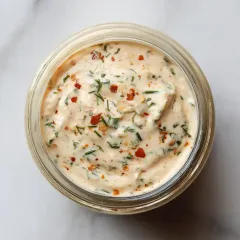

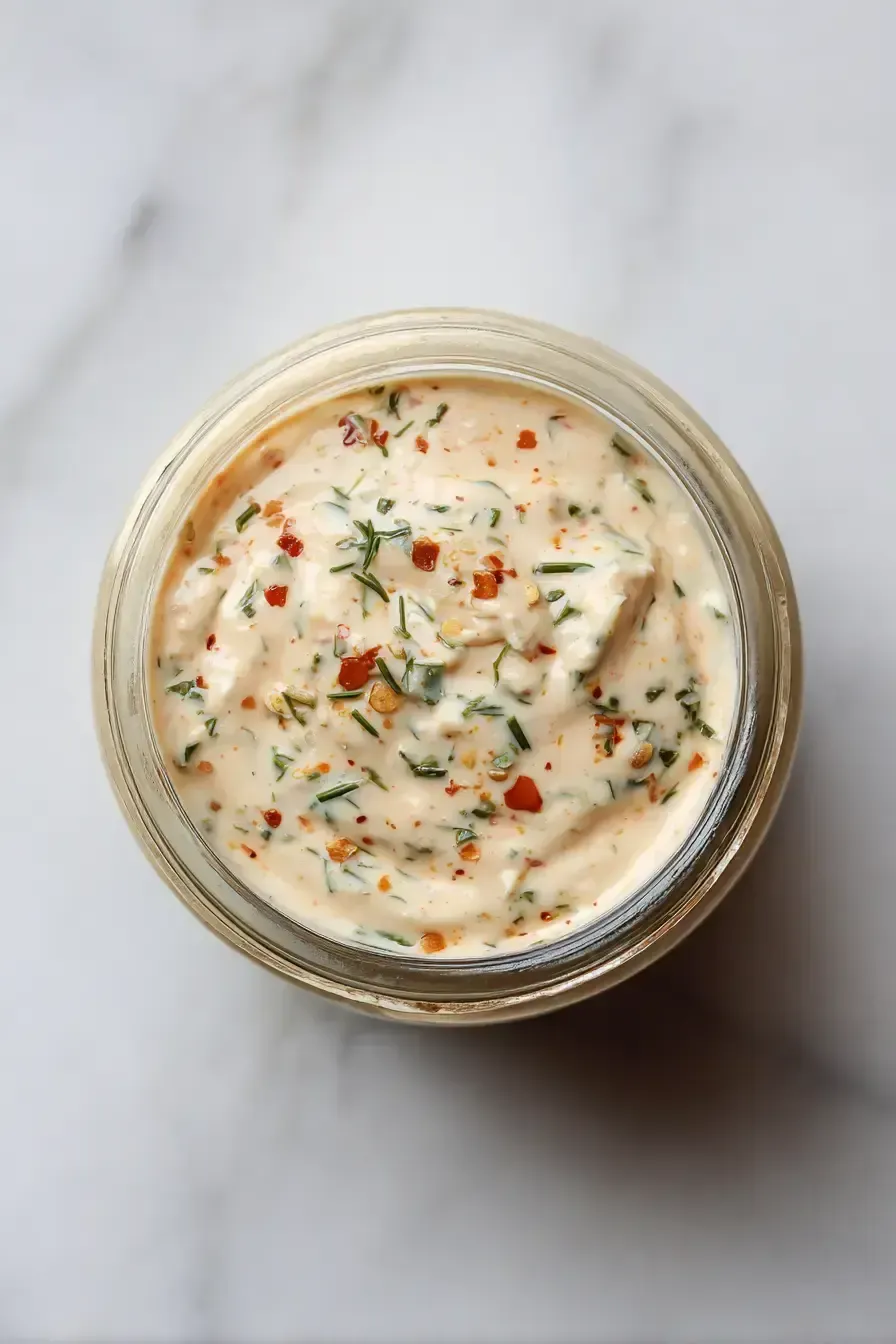
Bringing the vibrant, zesty flavor of New Orleans to your table is easier than you think with this Louisiana Creole Remoulade. This classic Cajun condiment is a creamy, spicy mayonnaise-based sauce that’s incredibly versatile. Best of all, you can make it with ingredients you likely already have or can easily find in your local grocery store. Let’s build that flavor bridge together.
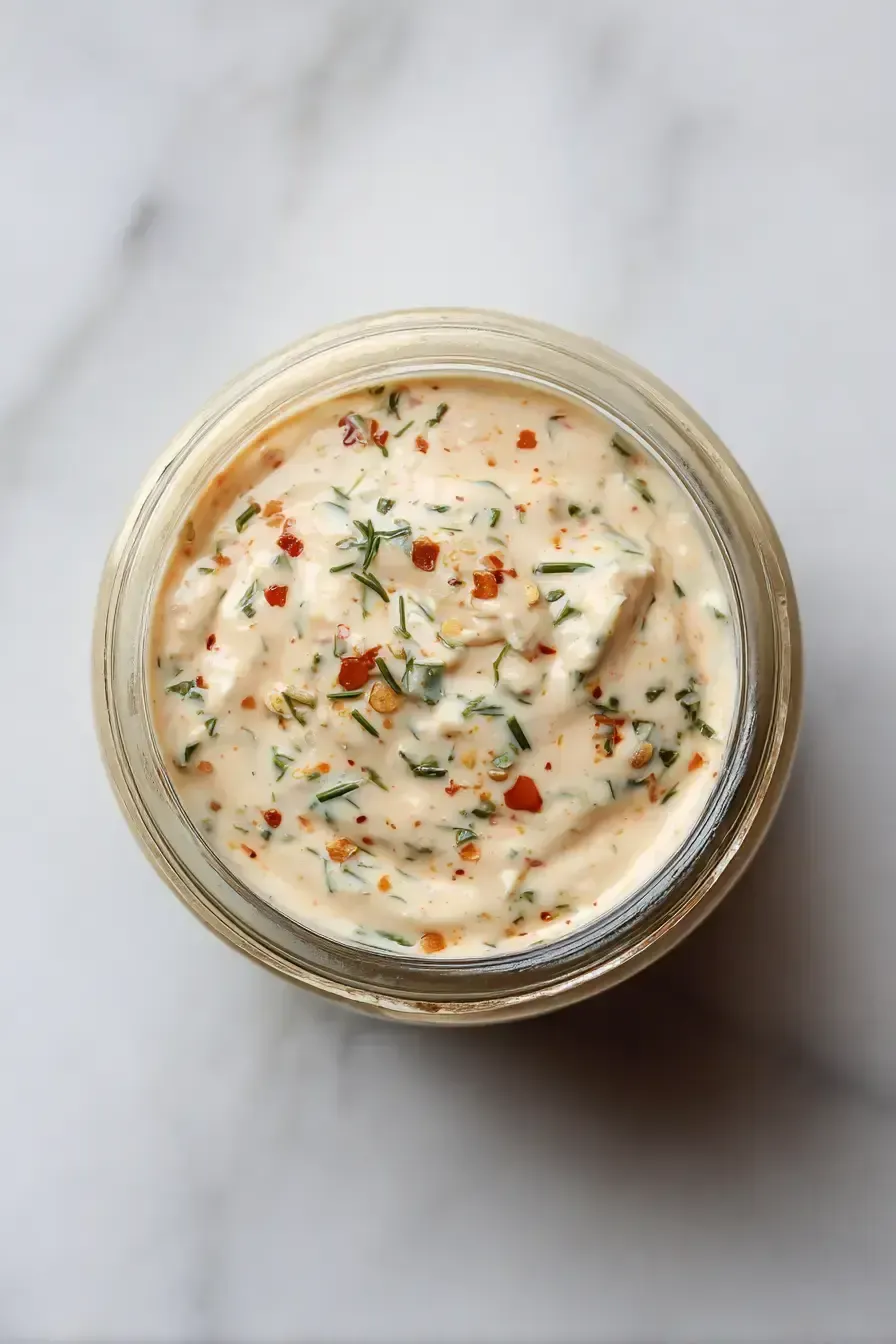
Your New Favorite Dipping Sauce
- Pantry-Friendly Power – This recipe celebrates accessible authenticity, using common spices and condiments to create big flavor.
- Quick & No-Cook – Your spicy mayonnaise sauce comes together in just 15 minutes of active prep, with no stove required.
- Fusion Freedom – While deeply rooted in Creole tradition, this remoulade is a perfect bridge for topping burgers, dipping fries, or dressing salads.
- Make-Ahead Magic – The flavor gets better as it chills, making it an ideal New Orleans dipping sauce to prep for gatherings.
Navigation
- Let’s Talk Timing for Your Louisiana Creole Remoulade
- Thoughtful Tips for Special Diets
- My Pro Tips for the Best Louisiana Creole Remoulade
- Nutrition and Health Benefits
- A Lighter Version of Louisiana Creole Remoulade
- How to Serve Your Louisiana Creole Remoulade with Flair
- Common Mistakes to Avoid with Your Remoulade
- How to Store Your Homemade Louisiana Creole Remoulade
- More Pickle & Dip Inspiration for Your Table
- Frequently Asked Questions
What You’ll Need for Your Louisiana Creole Remoulade
For the Creamy Base & Tang
- Mayonnaise – This is the creamy foundation. Use a good-quality brand for the best texture and flavor.
- Creole Mustard – The star for authentic Louisiana flavor! Look for it near other mustards; its coarse texture and tang are key.
- Ketchup – Adds a touch of sweetness and gives the sauce its signature pinkish-orange hue.
- Prepared Horseradish – This provides the essential spicy kick. Find it in the refrigerated section near the cheeses or pickles.
- Lemon Juice – Freshly squeezed is best for bright, fresh citrus acidity that balances the richness.
- Hot Sauce – Crystal or Tabasco are traditional for that authentic Cajun condiment heat. Your grocery store has this.
For the Spice Blend & Fresh Herbs
- Paprika – Sweet or smoked paprika adds beautiful color and a subtle, warm depth.
- Garlic Powder & Onion Powder – These pantry staples deliver savory, aromatic flavor without the texture of fresh.
- Dried Oregano – Just a half teaspoon adds a layer of complex herbal notes.
- Cayenne, White Pepper & Black Pepper – This trio builds layered heat, from the sharp kick of cayenne to the earthy warmth of black pepper.
- Fresh Parsley & Green Onions – Finely chopped, they bring essential bright, fresh flavor and a pop of color.
- Fresh Tarragon (Optional) – A lovely aromatic herb that adds a slight anise note; use it if you have it!
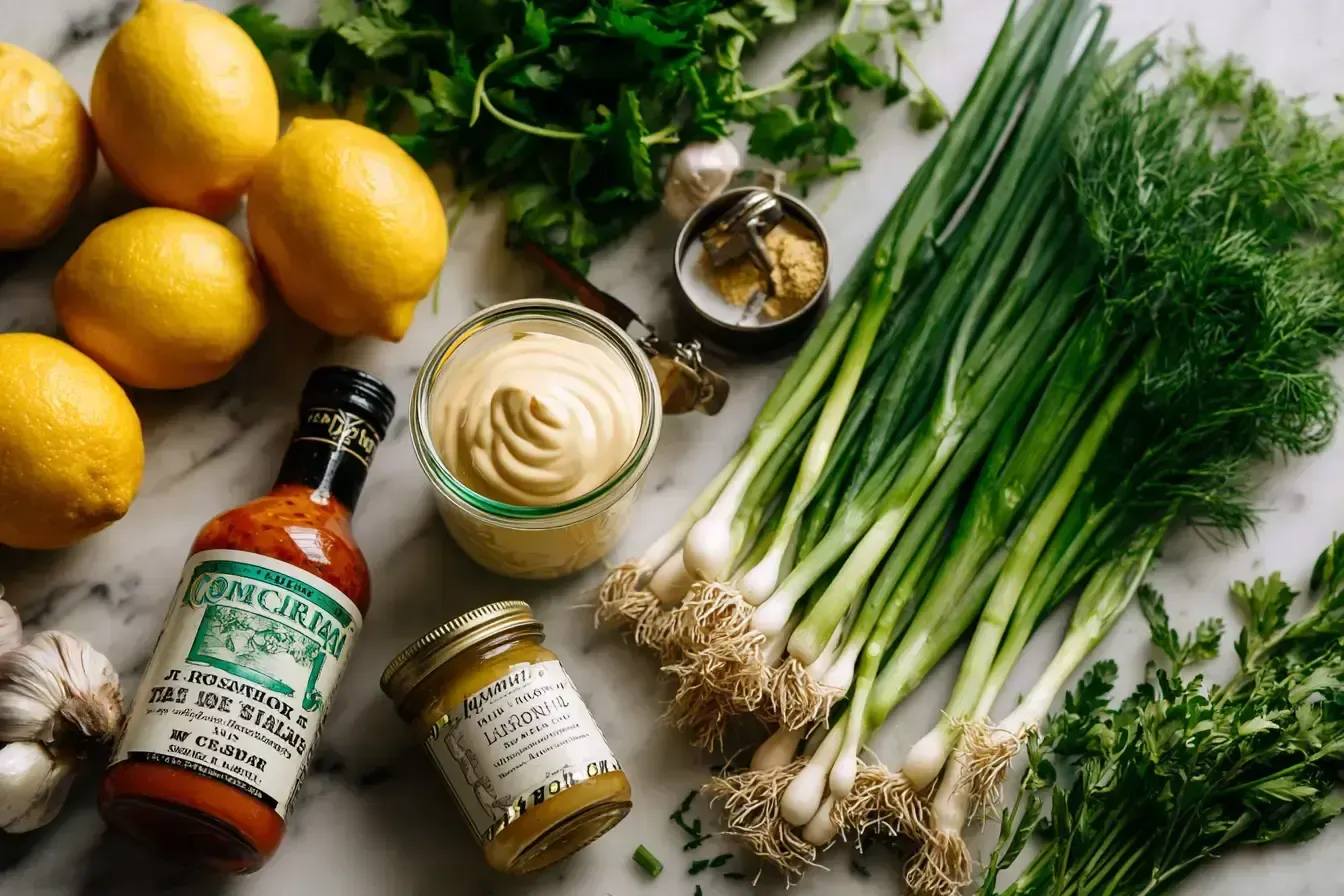
Let’s Talk Timing for Your Louisiana Creole Remoulade
I love recipes that respect your time, and this one truly does. The active work is incredibly quick. You’ll spend about 15 minutes gathering your ingredients and whisking everything together into a smooth, glorious sauce.
Here’s the secret to perfect flavor: patience. While the prep time is only 15 minutes and there’s zero cook time, you must let the sauce chill for at least 2 hours. This rest period is non-negotiable for letting all those spices and the horseradish sauce elements meld beautifully.
Therefore, your total time is about 2 hours and 15 minutes. Think of it as a fantastic make-ahead condiment. Whip it up in the afternoon for dinner, or even better, let it sit overnight. For more quick-prep, flavor-packed ideas, check out my easy Chicken Shawarma that also benefits from planning ahead.
Thoughtful Tips for Special Diets
Creating accessible flavors means considering different dietary needs. This Louisiana Creole Remoulade can be easily adapted for those who are sugar-conscious or managing their glycemic intake. The primary sources of sugar here are the ketchup and the mayonnaise, so let’s focus there.
First, look for a no-sugar-added ketchup or even a sugar-free variety, which are now commonly available. Second, several brands make mayonnaise with avocado oil or olive oil that contain no added sugars. By making these two simple swaps, you create a much more diabetic-friendly version of this classic sauce. Remember, portion control is also a powerful tool for glycemic control.
My Pro Tips for the Best Louisiana Creole Remoulade
After making this sauce countless times, I’ve picked up a few tricks that make a real difference. These tips will help you customize and perfect your batch every single time.
Embrace the Mustard Swap: If you absolutely cannot find Creole mustard, don’t stress. Use a mix of Dijon and a coarse-grained brown mustard to approximate the texture and tang. The flavor bridge is all about adaptation.
Adjust the Heat Your Way: This recipe is a guideline. Start with the listed amount of cayenne and hot sauce, then taste after chilling. You can always stir in more for extra fire. For a spicy mayonnaise with more kick, add a pinch more cayenne.
Chop Your Herbs Finely: Take an extra minute to chop the parsley, green onions, and tarragon very finely. This ensures they distribute evenly throughout the sauce and won’t get stuck on your spoon when you’re serving. For another recipe where herb prep is key, see my luxurious Crab Dip.
Storage is Simple: Always store your remoulade in an airtight container in the fridge. It will keep beautifully for up to a week. The flavors continue to develop, so day two is often even better. Give it a good stir before each use.
Nutrition and Health Benefits
While Louisiana Creole Remoulade is a condiment meant to be enjoyed in moderation, its ingredients do offer some interesting nutritional points. Understanding what’s in your food is part of mindful, accessible cooking.
The base of mayonnaise provides fats, which help with the absorption of fat-soluble vitamins from the foods you pair it with, like the beta-carotene in carrots. The herbs—parsley and green onions—add a small boost of antioxidants and vitamin K. The capsaicin in the hot sauce and cayenne pepper has been studied for its potential metabolic benefits.
Compared to many store-bought versions, this homemade sauce allows you to control the quality of ingredients and avoid excessive additives. For another homemade condiment that transforms a meal, explore my festive 7-Layer Dip. Remember, for detailed nutritional information, consult a trusted resource like the USDA’s Nutrition.gov.
A Lighter Version of Louisiana Creole Remoulade
Want to enjoy all the flavor with a slightly lighter footprint? You have some fantastic pantry-friendly options. First, you can swap the regular mayonnaise for a light or olive oil-based mayo to reduce the overall fat and calorie content.
For a dairy-free or egg-free version, consider using a vegan mayonnaise as your base—many brands work wonderfully in this application. The spices and herbs carry the flavor so powerfully that the swap is seamless. If you love customizing sauces, you might enjoy the blend of flavors in my Homemade Dill Pickle Spice Blend for other projects.
How to Serve Your Louisiana Creole Remoulade with Flair
This is where the fusion freedom truly shines. While traditionally served with fried seafood or on a classic po’boy sandwich, this sauce is your gateway to elevating so many simple meals. I love it as a burger spread, a dip for sweet potato fries, or a bold dressing for a sturdy wedge salad.
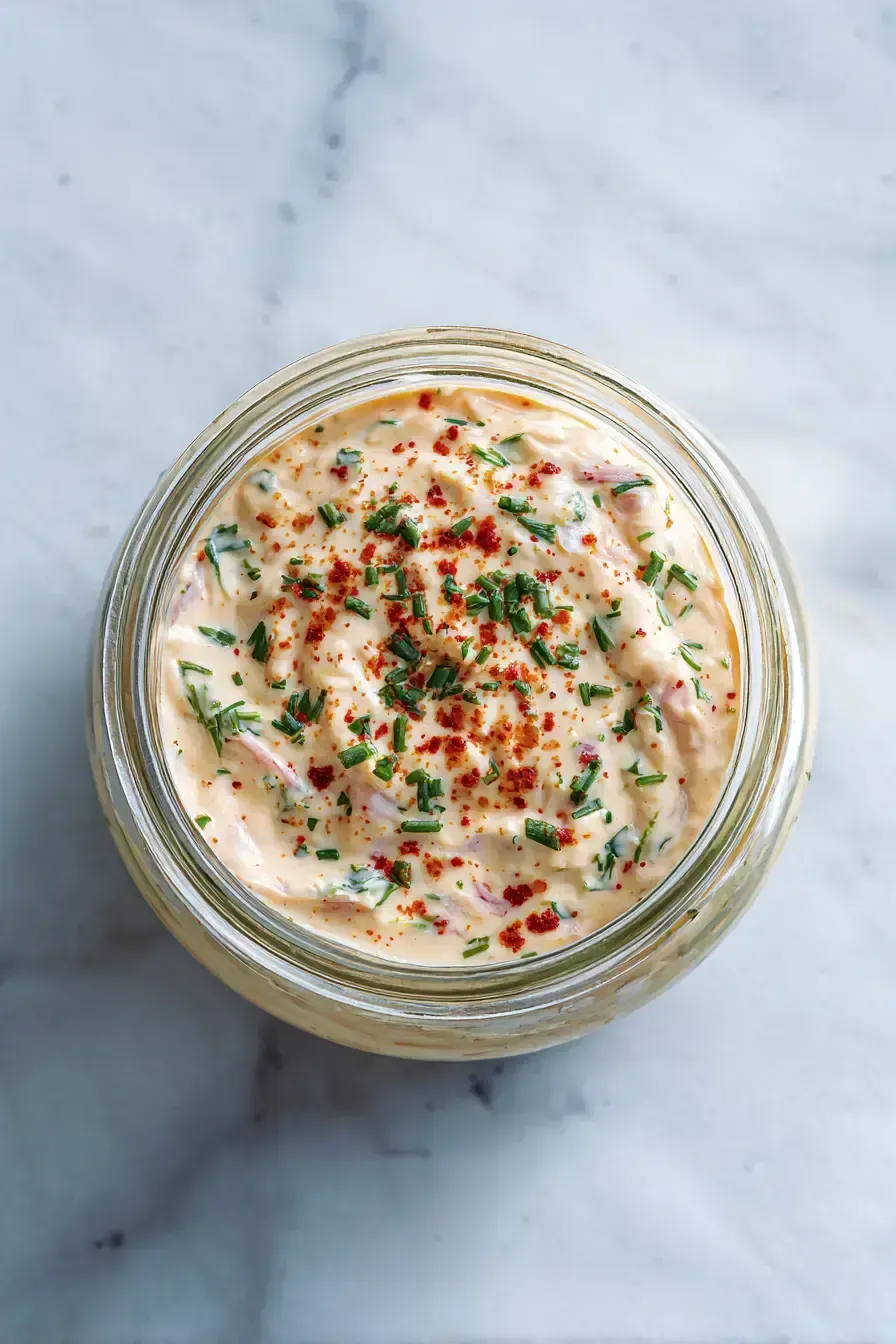
For a full Southern-inspired spread, pair it with other vibrant, make-ahead sides. It’s fantastic alongside a tangy batch of Spicy Garlic Dill Pickles or some quick Gordon Ramsay Pickled Onions. The contrast of cool, creamy sauce and bright, pickled acidity is absolutely magical.
Common Mistakes to Avoid with Your Remoulade
Even simple sauces have pitfalls. Let’s walk through a few common ones so your Louisiana Creole Remoulade turns out perfect every time. First, why is my remoulade tasting too sharp or bitter? This often happens if you use bottled lemon juice instead of fresh. The preservatives can react with the other ingredients. Always squeeze a fresh lemon for the best, brightest acidity.
How do you prevent a grainy or separated sauce? The key is vigorous whisking when you combine the initial wet ingredients—mayonnaise, mustard, ketchup, horseradish, and lemon juice. Get them completely smooth before adding the dry spices. Another mistake is skipping the chill time. Serving it immediately means the flavors haven’t married, resulting in a one-dimensional taste. Patience is part of the process.
Finally, are you wondering if you can substitute dried herbs for the fresh parsley and green onions? I don’t recommend it for this recipe. The fresh herbs provide necessary brightness and texture that dried herbs simply cannot replicate. They are the “fresh” in your New Orleans dipping sauce. For more tips on balancing flavors in preserved foods, see this guide on creating an Easy Pickling Spice blend. You can learn more about food safety for homemade condiments from resources like FoodSafety.gov.
How to Store Your Homemade Louisiana Creole Remoulade
I always make a double batch because this sauce seems to disappear! Proper storage ensures it stays fresh and flavorful. Always transfer your finished remoulade to a clean, airtight container. A glass jar with a tight lid or a food storage container works perfectly.
Store it in the refrigerator immediately. The sauce will thicken slightly as it chills, which is normal. It will keep well for up to 7 days. Always use a clean spoon to scoop it out to prevent introducing bacteria. Unfortunately, I don’t recommend freezing this sauce, as mayonnaise-based condiments can separate and become grainy when thawed. For another long-lasting fridge staple, try my classic Giardiniera.
Why You Should Try This Louisiana Creole Remoulade Recipe
This recipe represents everything I love about bridge-building in the kitchen. It takes the incredible, soulful flavors of Louisiana Creole cuisine and makes them accessible with a straightforward technique and easy-to-find ingredients. There’s no special equipment needed, just a bowl and a whisk.
The joy comes from seeing how one simple sauce can transform a weeknight dinner into something special. It’s a celebration of flavor that welcomes experimentation. Once you master this base, you’ll find yourself reaching for it again and again. For more recipes that bring big flavor to your table, explore my Pickled Eggs with Sausage, my crunchy Homemade Bread and Butter Pickles, or the vibrant Vietnamese Vegetable Pickle Medley. I hope this becomes your new secret weapon for adding a zesty, creamy kick to your meals. Your journey to the perfect Louisiana Creole Remoulade starts right now.
More Pickle & Dip Inspiration for Your Table
If you loved the tangy, customizable spirit of this remoulade, you’ll adore these other recipes that bring a punch of flavor to any meal. They’re all about accessible ingredients and big, satisfying results.
Pickled Asparagus – An elegant, snappy pickle that’s perfect for charcuterie boards or garnishing bloody marys.
Quick Pickled Cucumber – The fastest path to a crunchy, refreshing side that goes with everything.
Gordon Ramsay Pickled Celery – A chef-inspired trick to transform humble celery into a sophisticated, tangy bite.
Famous Dave’s Copycat Pickles – Capture that iconic restaurant-style flavor with this sweet and spicy homemade version.
Frequently Asked Questions
What is the difference between Creole and Cajun remoulade?
The main difference often lies in the base and texture. A classic Louisiana Creole Remoulade is typically mayonnaise-based, creamy, and includes ingredients like Creole mustard, herbs, and horseradish. Cajun versions might use a oil-and-vinegar base similar to a French rémoulade and can be thinner and more pungent. This recipe follows the creamy, herbaceous Creole style.
Can I make Louisiana Creole Remoulade ahead of time?
Absolutely, and I highly recommend it! Making your Louisiana Creole Remoulade at least 2 hours ahead, or even the day before, allows the flavors to fully meld and develop. The chilling time in the refrigerator is a crucial step for the best possible taste. Store it in an airtight container.
What is a good substitute for Creole mustard?
If you can’t find Creole mustard, don’t worry. Combine equal parts Dijon mustard and a whole-grain or coarse-ground brown mustard. This mix will give you a similar tang and textured bite that is essential for an authentic-tasting Cajun condiment. It’s a perfect example of accessible adaptation.
How long does homemade remoulade last in the fridge?
Your homemade Louisiana Creole Remoulade will stay fresh and flavorful in the refrigerator for up to 1 week. Ensure it is stored in a clean, airtight container. Always use a clean utensil to scoop it out to prevent spoilage and enjoy it as a spicy mayonnaise dip or spread.