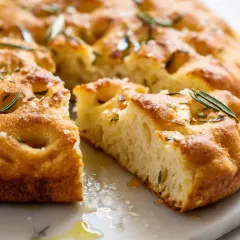

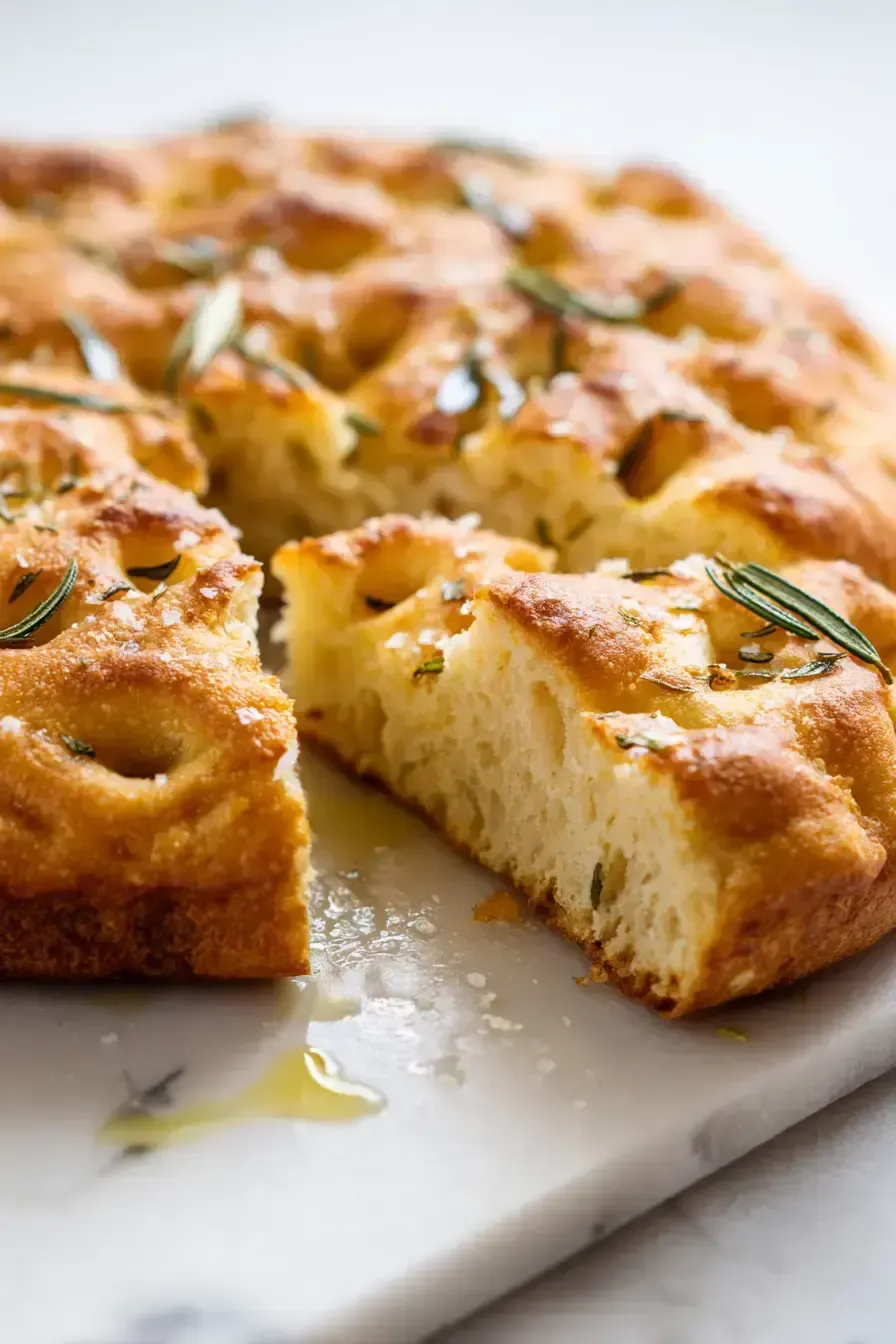
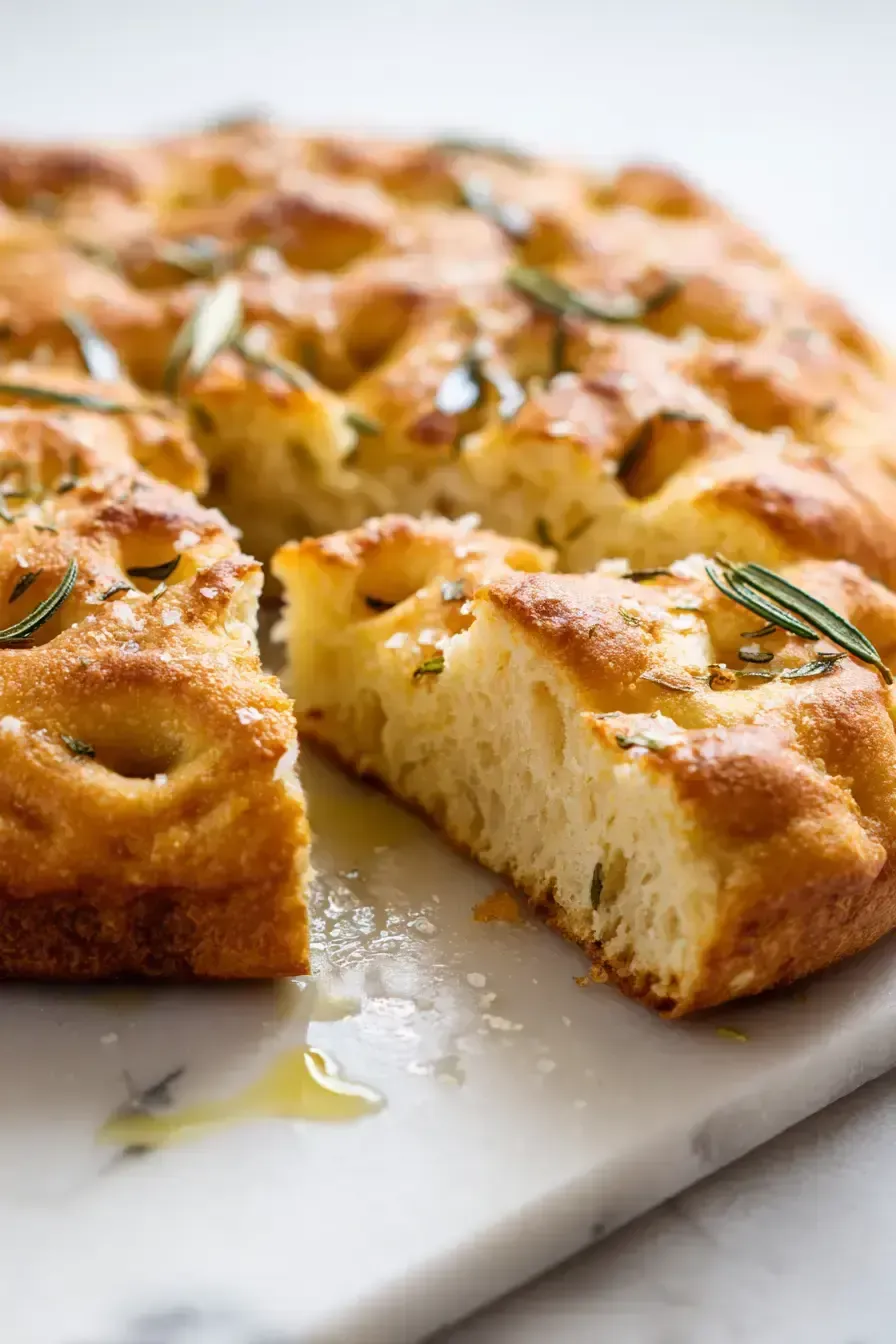
Turn your leftover starter into a Tuesday night win with this Sourdough Discard Focaccia. It’s the perfect weeknight fresh solution that transforms sourdough discard into a flavorful, golden bread with minimal active effort. You get that signature chewy texture and tangy flavor without any waste. Honestly, it’s a fast but flavorful project that makes any Wednesday feel like a celebration. For another dough project, try this pizza dough for the grill. For a softer, sweeter bake, try these buttery honey biscuits.
Your New Weeknight Bread Hero
- Zero-Waste Magic – You finally have a delicious purpose for that sourdough discard sitting in your fridge.
- Effortless, Flavorful Dough – The recipe uses a simple, hands-off method for perfect homemade focaccia every time.
- Tuesday Night Win Vibe – Most of the time is hands-off rising, so you can relax while it works.
- Crispy & Chewy Perfection – Get that gorgeous golden top and soft, airy interior that’s impossible to resist.
Navigation
- Realistic Timing for Your Discard Focaccia
- Thoughtful Tips for Special Diets
- My Pro Tips for Perfect Sourdough Focaccia
- Nutrition and Health Benefits
- A Lighter Version of This Discard Focaccia
- How to Serve This Sourdough Bread for Maximum Coziness
- Common Sourdough Discard Focaccia Mistakes (So You Don’t Make Them)
- How to Store Your Homemade Focaccia for Later
- More Tangy & Flavorful Sides to Explore
What You’ll Need for Your Sourdough Discard Focaccia
For the Dough
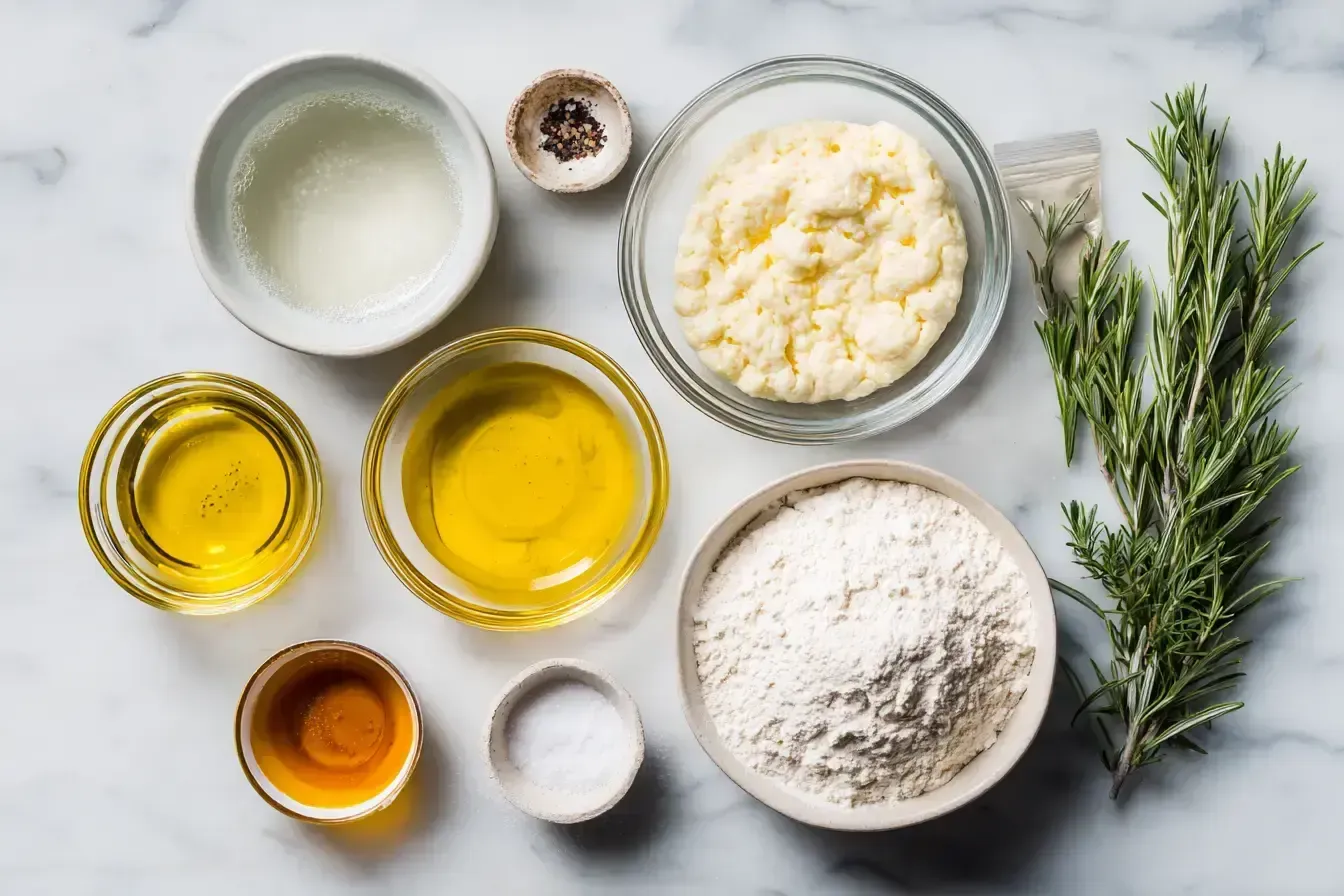
- 1 cup sourdough discard – Use it straight from the fridge; no need to feed it first.
- 1 cup warm water (about 110°F) – Helps activate the yeast and brings everything together.
- 2 tablespoons olive oil – For richness in the dough and to keep it wonderfully moist.
- 1 teaspoon honey – A natural sweetener that gives the yeast a little boost.
- 1 teaspoon active dry yeast – This guarantees a good rise alongside your sourdough starter.
- 3 cups all-purpose flour – The main structure for your chewy sourdough bread.
- 1 teaspoon salt – Essential for enhancing all the flavors in the dough.
For Topping & Pan
- 2 tablespoons olive oil – For generously coating the baking pan and drizzling on top.
- 1 teaspoon flaky sea salt – For that irresistible salty crunch on the finished crust.
- 2 tablespoons fresh rosemary leaves – The aromatic herb that makes this focaccia smell like a dream.
Realistic Timing for Your Discard Focaccia
Let’s be real about weeknight energy. This Sourdough Discard Focaccia is a cozy project, not a last-minute scramble. Active prep is just 20 minutes of your time. Then, you let the dough rise for 1 to 2 hours while you do literally anything else.
The bake time is 25 minutes. So, your total time is about 2 hours and 45 minutes, but most of that is hands-off. Think of it as a perfect “start it after work, bake it for dinner” kind of recipe. The slow rise builds incredible flavor, making it worth the wait. For another great bread project with a similar hands-off vibe, check out my classic buttermilk cornbread.
Thoughtful Tips for Special Diets
If you’re keeping an eye on sugar, this recipe is already a great start. The honey is minimal and just feeds the yeast. For a truly low sugar or sugar-free version, you can swap the honey for a pinch of your preferred natural sweetener, like stevia or xylitol. The yeast will still activate with the warm water and sourdough discard.
Portion control is your friend here for glycemic management. Enjoy a smaller piece alongside a protein-rich soup or salad. Remember, the natural fermentation in the sourdough discard may also help with the bread’s overall digestibility, which is a nice bonus for a homemade focaccia.
My Pro Tips for Perfect Sourdough Focaccia
I’ve made this discard bread more times than I can count. Here are my weeknight shortcuts and flavor secrets to guarantee your success.
Flavor Swap: Swap rosemary for fresh thyme, oregano, or a sprinkle of everything bagel seasoning. Want a spicy kick? Add crushed red pepper flakes before baking.
Diet Tweak: For a different twist, try folding in some chopped, sweet and spicy pickles or olives into the dough during the last stretch for a briny surprise.
Texture Fix: Don’t skimp on the oil in the pan! A generous pour creates that irresistible fried-bottom crust. Use your fingertips confidently to create deep dimples—they hold the topping and create fantastic texture.
Storage Tip: Revive day-old focaccia by sprinkling it with water and reheating in a 350°F oven for 5-8 minutes. It’s also fantastic cubed for croutons. For more pickle-inspired flavor ideas, my homemade dill pickle spice blend can add a fun, tangy twist to the topping.
Nutrition and Health Benefits
This Homemade Focaccia is a more wholesome choice than store-bought versions. You control the ingredients, meaning no unnecessary preservatives or excess sodium. Using sourdough discard introduces some of the benefits of fermentation, which can help pre-digest some of the grains, potentially making the bread easier on your stomach.
Olive oil provides heart-healthy monounsaturated fats. When paired with a balanced meal, a piece of this bread is a satisfying source of carbohydrates for energy. For a vegetable-forward side that complements this bread beautifully, try my quick pickled asparagus. Looking for more gut-friendly fermented foods? Explore resources from reputable sources like the Harvard T.H. Chan School of Public Health. Another great pairing is a crisp, garlic dill pickle on the side for a probiotic boost.
A Lighter Version of This Discard Focaccia
Want to lighten things up just a touch? You can reduce the olive oil in the pan to 1 tablespoon—just make sure to spread it evenly. For the topping, a light brush of oil instead of a heavy drizzle still delivers flavor.
You can also experiment with substituting up to half of the all-purpose flour with whole wheat flour for added fiber. The texture will be slightly denser but still delicious. Need a gluten-free baking project instead? My gluten-free banana bread is a fantastic, easy option.
How to Serve This Sourdough Bread for Maximum Coziness
I love tearing into a warm piece of this focaccia straight from the pan. It’s a Tuesday night victory that feels special. For a simple weeknight meal, serve it alongside a big bowl of soup or a hearty salad. The bread is perfect for sopping up every last drop.
Turn it into an epic sandwich bread for leftovers the next day. Think roasted vegetables, mozzarella, and a smear of pesto. For a stunning appetizer, cut it into strips and serve with a bowl of good olive oil and balsamic vinegar for dipping. A side of bright giardiniera cuts through the richness perfectly. Don’t forget a quick, pickled red onion garnish for a pop of color and tang.
Common Sourdough Discard Focaccia Mistakes (So You Don’t Make Them)
Let’s troubleshoot the common hiccups so your bake is flawless. First, why is my dough not rising? Your water might be too hot and killed the yeast, or your kitchen is too cold. Ensure your water is just warm to the touch (about 110°F) and let the dough rise in a warm, draft-free spot.
How to prevent a dense focaccia? Don’t over-knead! Mix until just combined and smooth. Overworking the dough develops too much gluten, leading to a tough bread. Also, be patient with the rise—let it truly double in size.
Why is my bread soggy on the bottom? You might have under-baked it, or there was too much topping moisture. Ensure the bottom sounds hollow when tapped. For more troubleshooting on fermented foods, a great external resource is King Arthur Baking’s sourdough guide. For a flavor-packed companion recipe, try my homemade bread and butter pickles. And if you love tangy flavors, my simple pickled cucumber salad is a fresh side.
I remember my first focaccia was a sad, flat disc. I rushed the rise and skimped on the dimples. Now I know that those little pockets are where the flavor and texture live. Take your time with it.
How to Store Your Homemade Focaccia for Later
This bread never lasts long in my house, but if you have leftovers, store them right. Let the focaccia cool completely first. Then, wrap it tightly in plastic wrap or store it in an airtight container at room temperature for 2-3 days.
For longer storage, freeze it. Wrap individual slices or the whole loaf in plastic wrap, then aluminum foil. It will keep for up to 3 months. Thaw at room temperature or reheat directly in the oven. For another great make-ahead recipe that stores wonderfully, check out my versatile pickling spice mix to use in your next project.
Why You Should Try This Sourdough Discard Focaccia Recipe
There’s something incredibly satisfying about baking bread on a weeknight. This recipe turns a routine Tuesday into something memorable. The smell of rosemary and baking bread filling your kitchen is pure therapy. It’s a tangible, flavorful win that proves fresh shortcuts exist, even with a busy schedule.
You get to use up your sourdough discard in the most delicious way possible. The process is simple, the results are impressive, and the taste is genuinely better than anything from a bakery bag. So, gather your discard and give it a go. For more inspiration on what to make with your fresh bread, pair it with my hearty pickled eggs and sausage or a vibrant Vietnamese pickle medley. And for a quick, chef-inspired garnish, Gordon Ramsay’s pickled onions are always a winner. This Sourdough Discard Focaccia is your next weeknight fresh victory.
More Tangy & Flavorful Sides to Explore
If you loved the bright, acidic notes that pair so well with this bread, here are a few more pickle and preserve recipes to round out your table.
Gordon Ramsay’s Pickled Celery – A crunchy, refreshing twist on celery that adds a fantastic bite to salads and sandwiches.
Can I make sourdough discard focaccia without added yeast?
Yes, you can, but the rise will be slower and less predictable. The added yeast in this Sourdough Discard Focaccia recipe guarantees a good lift and lighter texture, which is especially helpful for a weeknight bake. If you omit it, plan for a much longer rise time, potentially overnight in the fridge.
How do I know when my sourdough focaccia is done baking?
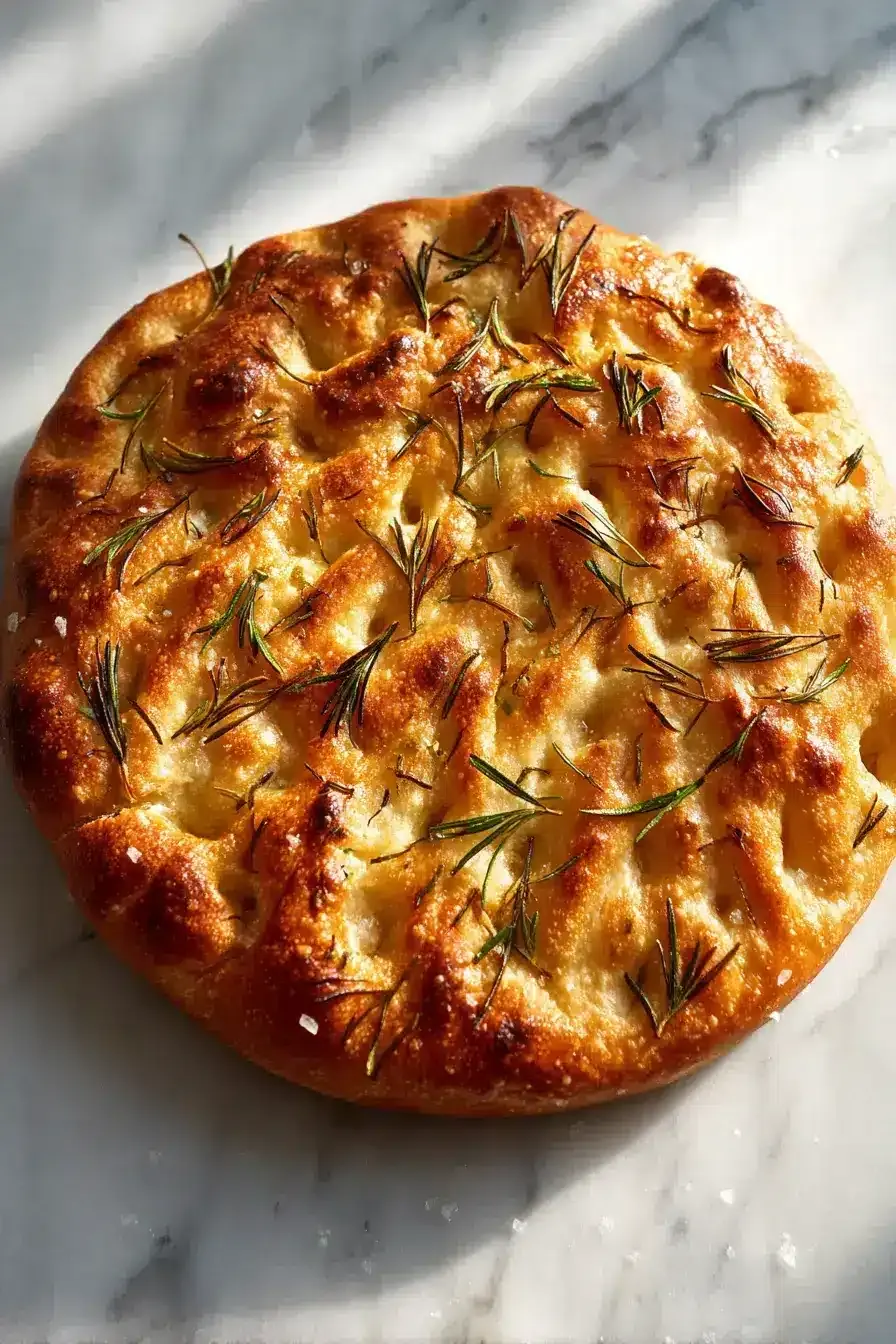
Your Sourdough Discard Focaccia is done when the top is a deep golden brown and crisp. The most reliable test is to carefully lift a corner and tap the bottom—it should sound hollow. The internal temperature will also read about 200–210°F if you use an instant-read thermometer.
Can I use whole wheat flour in this discard focaccia recipe?
Absolutely. For a heartier Homemade Focaccia, you can substitute up to half of the all-purpose flour with whole wheat flour. The bread will be denser and nuttier. Be prepared to add a touch more water, as whole wheat flour absorbs more liquid.
What can I use instead of rosemary for topping?
Get creative! Fresh thyme, oregano, or sage are wonderful. For a simpler take, use coarse sea salt and cracked black pepper. You can also add thinly sliced onions, cherry tomatoes, or olives pressed into the dimples before baking your Discard Focaccia.