
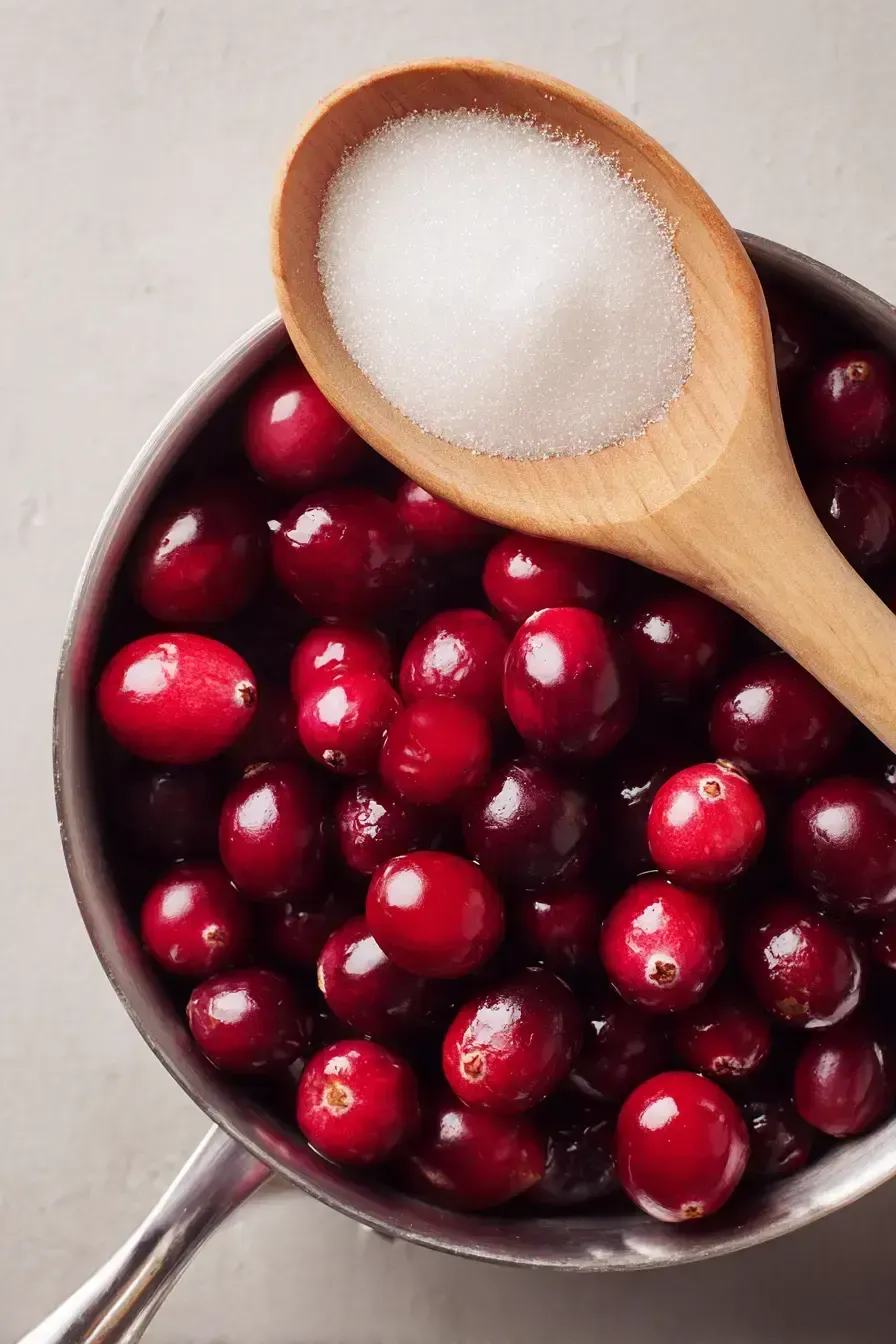
Understanding the Cranberry Jelly Vs Sauce Differences is key to mastering your holiday table with confidence and minimal fuss. This one-pot guide breaks down the texture, ingredients, and technique behind each classic condiment, so you can make the perfect choice for your feast without any cleanup stress. Let’s dive into the simple secrets that separate a jiggly slice from a spoonable relish, all from a single saucepan.
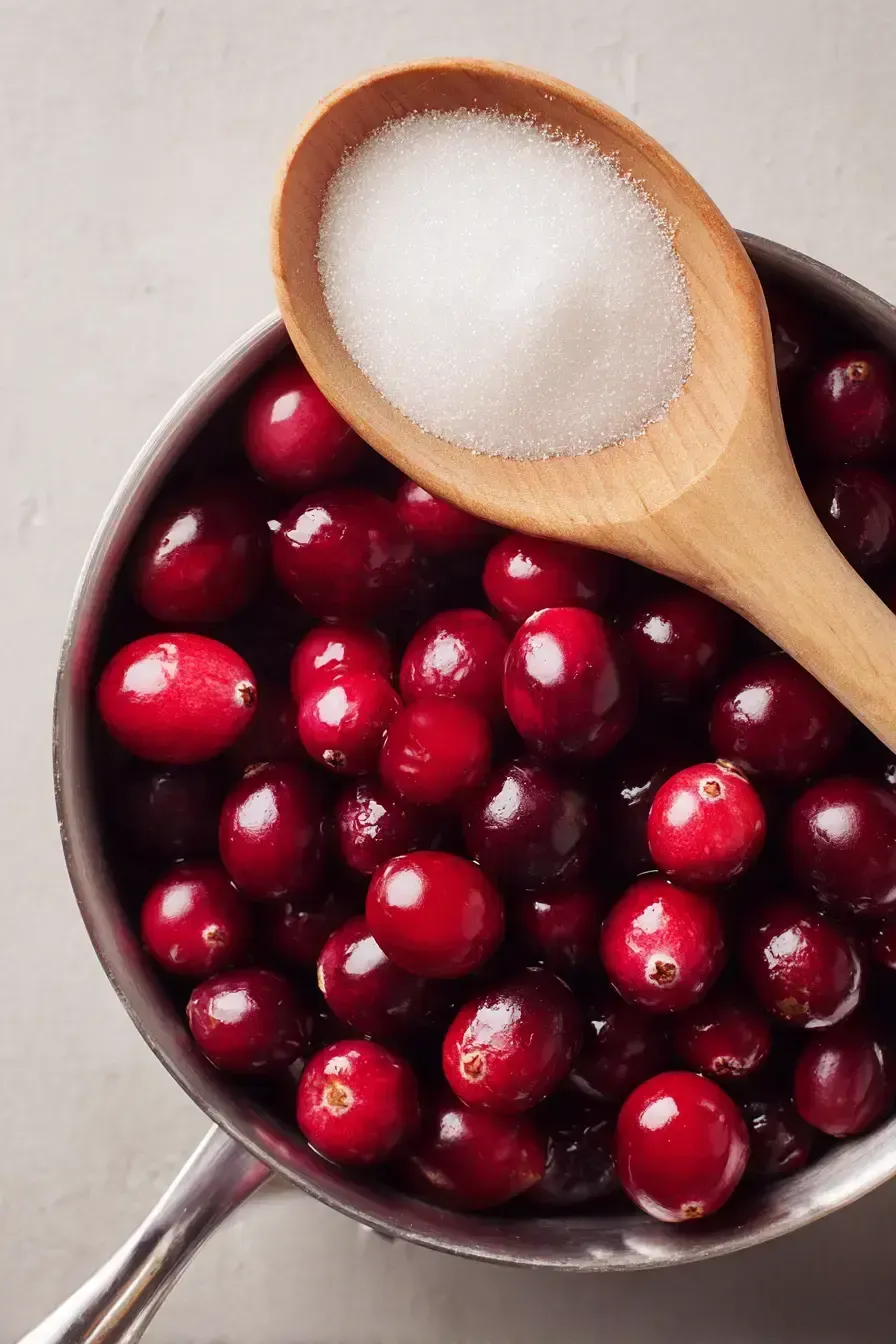
Why This One-Pan Guide Wins
- Minimal Cleanup Guaranteed – Both variations cook in one pot, meaning your sink stays empty and victory is sweet.
- Layer It Right Strategy – I explain the precise layering of sugar, fruit, and liquid that defines the jelly vs sauce outcome.
- Timing Science Made Simple – Discover how a few extra minutes of simmering creates the perfect cranberry jelly or a chunky cranberry sauce.
- Strategic Flavor Control – You become the boss of tartness and sweetness, customizing your homemade cranberry masterpiece.
Navigation
- Your 20-Minute Path to Cranberry Perfection
- Smart Swaps for Sugar-Conscious Celebrations
- Pro Tips to Master Your Cranberry Condiment
- The Wholesome Goodness in Your Homemade Cranberry
- Crafting a Lighter, Custom Cranberry Creation
- How to Serve Your Cranberry Masterpiece with Flair
- Common Cranberry Pitfalls and How to Sidestep Them
- Keeping Your Cranberry Creations Fresh for Days
- More Festive & Fruity Recipes You’ll Adore
Your Pantry Arsenal for Cranberry Jelly Vs Sauce Differences
For Both Jelly & Sauce
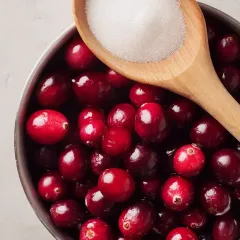
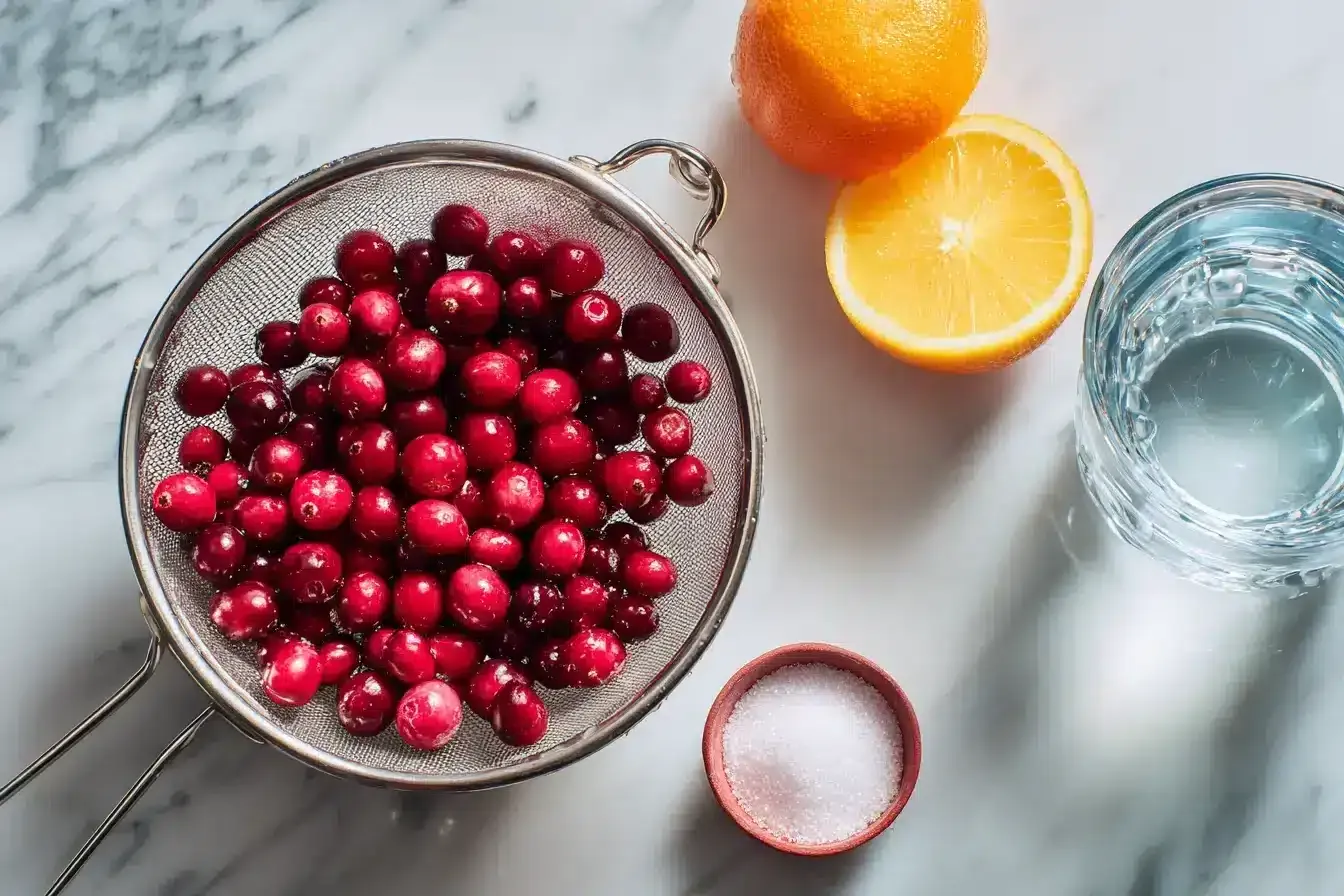
- 12 ounces fresh cranberries – The non-negotiable star for that iconic, vibrant tart flavor.
- 1 cup granulated sugar – Sweetens the berries perfectly and is crucial for the gel structure in jelly.
- 1 cup water – The essential cooking liquid that helps everything meld together smoothly.
- 1 tablespoon freshly squeezed orange juice – Adds a bright citrus note that cuts through the richness.
- 1 teaspoon finely grated orange zest – Brings an aromatic, fragrant orange flavor to the finished condiment.
Your 20-Minute Path to Cranberry Perfection
Let’s celebrate a major sink victory. The total hands-on time for mastering the Cranberry Jelly Vs Sauce Differences is just about 20 minutes. Your prep is a swift 5 minutes—basically just rinsing berries. Then, the magic happens in a single saucepan over about 15 minutes of mostly hands-off simmering.
This is the ultimate quick weeknight project, even for a fancy holiday side. You can literally go from bag to table in less time than it takes to watch a sitcom. The key is understanding how that simmer time affects texture. Curious about other quick, festive sides? My winter pomegranate salad comes together with similar speed.
Smart Swaps for Sugar-Conscious Celebrations
As a one-pot strategist, I know that accommodating different diets shouldn’t mean more dishes. If you’re sugar conscious or managing blood sugar, you can still enjoy a homemade cranberry condiment. The beauty of this recipe is its adaptability.
For a low glycemic version, swap the granulated sugar for a natural sweetener blend made for cooking, like monk fruit or erythritol. You could also reduce the sugar by half and add a touch of orange extract to boost flavor without the carbs. Remember, the gel set for jelly relies on sugar and pectin, so a sugar-free version will be softer.
Pro Tips to Master Your Cranberry Condiment
After making this for years, I’ve dialed in the strategies that guarantee success every single time. Here are my cleanup-conscious pro tips for perfecting the difference between cranberry jelly and sauce.
- Flavor Swap: For a deeper flavor, replace the water with apple cider or a splash of port wine. It adds a wonderful complexity that pairs beautifully with turkey.
- Diet Tweak: Making a fresh cranberry recipe for a sugar-free diet? Use a full cup of a 1:1 sugar substitute like xylitol and add an extra tablespoon of orange juice for moisture. Check out my guide to natural sweets in these strawberry cheesecake cookies for more inspiration.
- Texture Fix: For a crystal-clear jelly, strain the cooked mixture through a fine-mesh sieve after simmering, pressing gently. For a chunky sauce, simply stir less and let more berries stay whole.
- Storage Tip: Both keep brilliantly. Pour jelly into a mold or container while hot. Sauce can be jarred. They’ll thicken as they cool. For another great make-ahead treat, see how I store these Valentine strawberry cookies.
The Wholesome Goodness in Your Homemade Cranberry
Choosing a homemade cranberry condiment over the canned version is a win for your health. You control the sugar and get all the natural benefits of the fruit itself. Fresh cranberries are remarkably rich in vitamin C and dietary fiber.
They are also a fantastic source of antioxidants and proanthocyanidins, which are great for urinary tract health. When you make your own, you’re creating a condiment higher in fiber and lower in processed ingredients than store-bought varieties. For another antioxidant-packed dish, try my light raspberry mousse. According to the Mayo Clinic, cranberries are a good source of several vital nutrients. Explore more fruity, healthy desserts like these simple raspberry truffles.
Crafting a Lighter, Custom Cranberry Creation
Want to lighten things up further? The one-pot method makes experimentation easy. Reduce the sugar to 3/4 cup and add a diced apple for natural sweetness and extra pectin. You can also use a sugar substitute as mentioned earlier.
For a citrus twist, swap the orange for lemon or lime zest. If you love the combination of cranberry and chocolate, the principle of balancing tart and sweet works beautifully in desserts too, like in these 4-ingredient raspberry truffles.
How to Serve Your Cranberry Masterpiece with Flair
The moment of truth! Serving is where the Cranberry Jelly Vs Sauce Differences really shine. I always make both for Thanksgiving because they please different crowds. The jelly, unmolded and sliced, makes a beautiful centerpiece. The sauce, spooned into a pretty bowl, feels rustic and homemade.
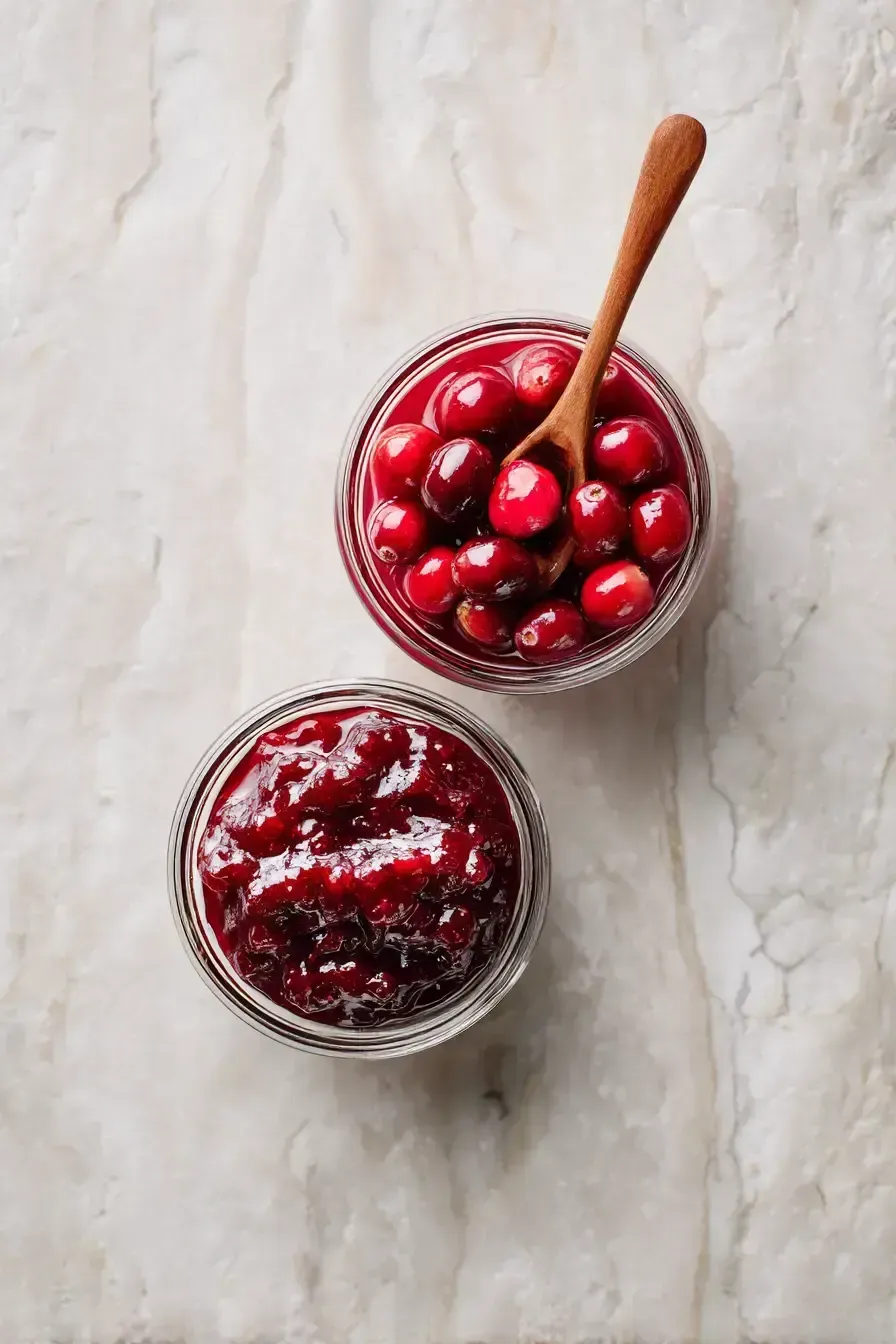
Don’t limit them to turkey! Jelly is fantastic with cream cheese on crackers, and sauce is incredible swirled into yogurt or oatmeal. For a full festive spread, pair it with my cranberry honey butter on rolls. And for a refreshing counterpoint on your brunch table, my winter fruit salad is the perfect companion.
Common Cranberry Pitfalls and How to Sidestep Them
Even with a one-pot recipe, a few missteps can happen. Let’s tackle them so your cranberry jelly or sauce is flawless. First, why is my jelly not setting? This usually means it didn’t reach a full boil or simmer long enough for the pectin to activate. Be patient.
Second, how to prevent a sauce that’s too watery? Simmer uncovered to allow proper reduction. Finally, a mistake I made early on: adding the citrus zest too early. The volatile oils cook off. Always stir in the orange juice and zest right after removing from heat. For more dessert-focused troubleshooting, see the tips in my raspberry tartlets post. The Fine Cooking guide also has excellent visual cues for doneness. I remember one year my “jelly” was more of a soup, but that’s how we learn! Now, it’s a foolproof ritual. For sweet lessons learned, my Valentine’s Day fluff story has a similar happy ending.
Keeping Your Cranberry Creations Fresh for Days
Proper storage is part of the strategic, minimal-cleanup win. Both your jelly and sauce will keep in the refrigerator for up to two weeks in airtight containers. The sauce can be frozen for up to a year—just thaw overnight in the fridge.
I often double the batch and freeze half in a jar, leaving room for expansion. It’s a lifesaver for a quick, festive touch on a random Tuesday. For other make-ahead holiday gems that store well, consider my Valentine’s Oreo pops.
Try Mastering the Cranberry Jelly Vs Sauce Differences This Year
I truly hope this guide empowers you to tackle both classic condiments with zero stress. There’s a special pride in presenting a shimmering jelly or a chunky, homemade cranberry sauce that you made from scratch. It elevates the entire meal.
Remember, it all happens in one pot, your timing strategy is clear, and your sink will be empty. So grab those fresh cranberries and embrace the simple science. Once you understand the core Cranberry Jelly Vs Sauce Differences, you’ll have a versatile, delicious skill for every holiday to come. For more festive recipe inspiration, explore my sugar cookie fudge, a stunning Valentine trifle dessert, and a full holiday brunch menu.
More Festive & Fruity Recipes You’ll Adore
If you loved mastering this holiday essential, you’ll want to try these other celebratory recipes. They’re all about big flavor with smart, efficient preparation.
Christmas Cookie Charcuterie Board – An impressive, no-bake dessert spread that’s all about assembly and fun.
What is the main difference between cranberry jelly and sauce?
The core Cranberry Jelly Vs Sauce Differences lie in texture and preparation. Jelly is strained to be smooth and relies on pectin to set into a firm, sliceable consistency. Sauce is chunky, with whole or partial berries, and has a looser, spoonable texture. Both start from a similar fresh cranberry recipe base.
Can I use frozen cranberries instead of fresh?
Absolutely. Frozen cranberries work perfectly for both cranberry jelly and cranberry sauce. There’s no need to thaw them first. Just add them directly to the pot, but expect a slightly longer simmering time as they start from frozen. The final flavor and quality will be just as good.
How do I make my cranberry sauce thicker?
To thicken your sauce, simply simmer it uncovered for a few extra minutes to allow more liquid to evaporate. You can also create a slurry with a teaspoon of cornstarch and a tablespoon of cold water, then stir it into the simmering sauce until it thickens. Remember, it will also thicken significantly as it cools.
Why did my cranberry jelly not set?
If your cranberry jelly didn’t set, the likely cause is insufficient cooking time or not reaching a full, rolling boil. The natural pectin in the berries needs enough heat and sugar to activate. Ensure you simmer the mixture for the full time after boiling, and let it cool completely at room temperature, which is when the final set happens.